

We often speak about company values as if they live in posters, handbooks, or speeches. In real life, they live somewhere else. They live in the next email we send, the meeting we lead, the credit we give, the pressure we pass on, and the silence we keep.
Daily micro-decisions are the small choices that turn ethics from words into habits.
Most people do not wake up planning to weaken a culture. Yet culture shifts every day through tiny acts. A manager delays honest feedback to avoid discomfort. A teammate sees a mistake and hides it. A leader says people matter, then praises only results. None of these moments looks dramatic. Together, they shape the moral climate of a workplace.
We have seen this clearly in organizations of all sizes. Big ethical failures rarely start as big events. They begin with tolerated shortcuts, selective listening, and small breaks between stated values and lived behavior.
Values become visible in small moments.
Why small choices matter so much
Micro-decisions matter because they happen often. A code of conduct may be read once a year. Small choices happen all day. That repetition gives them power. When repeated, they teach people what is safe, rewarded, and ignored.
Think about a simple team check-in. A junior employee raises a concern about a deadline that may push people into careless work. The leader has options. They can dismiss the concern, rush past it, or pause and ask one more question. That extra question may seem minor, but it sends a strong signal. It says whether honesty is welcome or risky.
Ethical culture is built through repeated signals, not rare statements.
This also affects trust. People do not decide whether to trust leadership based on one polished presentation. They decide after many small observations:
Who gets heard in meetings
How mistakes are handled
Whether pressure justifies poor behavior
How leaders act when no applause is expected
Trust grows when these signals match the values a company claims to hold. It weakens when the signals conflict.
How micro-decisions shape ethical memory
Every workplace develops a kind of ethical memory. People start to know, often without saying it aloud, what happens here. They know if speaking up leads to respect or regret. They know if fairness applies to everyone or only to some. They know if values remain steady when targets get hard.
We once observed a team where a senior person interrupted others in nearly every meeting. No policy allowed it. No leader endorsed it. Still, nobody corrected it. Over time, the team learned a silent lesson: status mattered more than respect. A value was being taught, just not the one written on the wall.
That is how micro-decisions work. They build memory through patterns. One ignored interruption may pass. Ten ignored interruptions become culture.

Where values are reinforced each day
We think it helps to make this practical. Micro-decisions do not sit in abstract spaces. They show up in clear daily situations.
We often notice them in these areas:
Communication. Do we speak clearly, or leave room for confusion that protects us later?
Recognition. Do we credit the real contributor, even when nobody else would notice?
Time pressure. Do we cut corners when deadlines tighten?
Conflict. Do we address issues directly and respectfully, or let resentment build?
Inclusion. Do we invite quieter voices into the room?
Accountability. Do we admit our own mistakes without shifting blame?
Each area may seem ordinary. That is the point. Ethics is not separate from daily work. It is woven into it.
The link between values and performance
Some leaders still treat values as secondary, as if they matter only when business is stable. We do not see it that way. Misalignment between personal values and company behavior can carry a real human and work cost.
In research from Columbia Business School, employees who disagreed with their company’s stance on social or political issues showed lower job performance in both quality and quantity of work. Agreement with the company’s stance, on the other hand, did not create a measurable boost. That finding is telling. It suggests that value conflict can quietly drain attention, energy, and care.
This matters for micro-decisions because employees read company values through behavior. If leaders claim one set of principles but reward another, people feel the split. Even if they do not name it right away, they react to it.
People notice the gap.
And when they notice it often, disengagement can begin in subtle ways. Less trust. Less care. Less willingness to speak honestly.
How leaders set the tone
Leaders do not need grand gestures to shape ethics. They need steadiness. A leader sets the tone when they stay fair under pressure, when they respond without humiliation, and when they choose truth over convenience.
Employees learn values less from policy and more from what leaders permit, praise, and protect.
We believe leaders should watch for the moments that feel too small to matter. Those are often the moments with the deepest effect. For example:
A leader hears a joke that crosses a line and addresses it calmly.
A manager notices overwork becoming normal and resets expectations.
A supervisor shares bad news early instead of hiding it.
These actions do more than solve one issue. They teach people what kind of place they are in.
How we can make better micro-decisions
Most people want to act with integrity, but speed and stress can narrow judgment. That is why simple reflection helps. We do not need a long process in every moment. We need a brief pause and a few honest questions.
We can ask:
Is this choice aligned with the value we claim to hold?
Would we be comfortable if this decision were visible to the whole team?
Does this protect dignity as well as results?
Are we being fair, or just being fast?
That pause can change a day. It can also change a pattern.
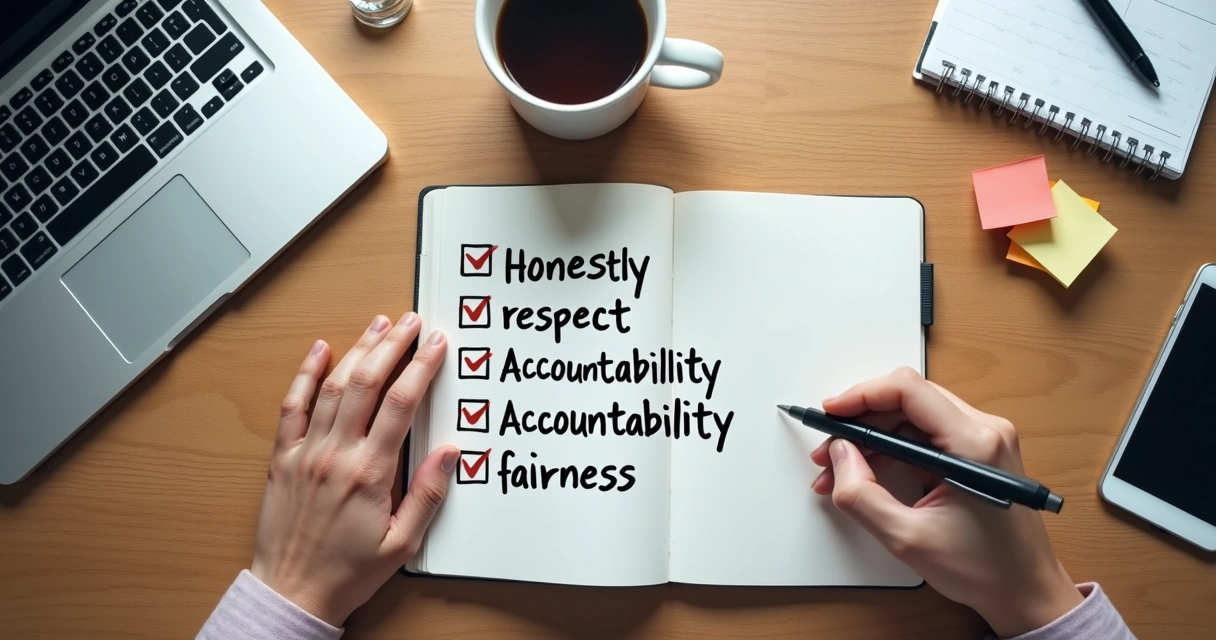
We also think teams benefit when values are made specific. “Respect” is too vague if nobody defines it. Does respect mean not interrupting? Giving credit? Raising concerns in private first? Clear language helps people act with more consistency.
Conclusion
Daily micro-decisions may look small, but they carry moral weight. They show whether values are lived or only spoken. They shape trust, guide behavior, and create the atmosphere people work inside every day.
When we choose honesty in a hard conversation, fairness in recognition, or restraint under pressure, we are not just making one good choice. We are teaching the culture what to become. Over time, that is how ethics gains roots. Quietly. Repeatedly. In plain sight.
If we want stronger values in any company, we should start with the next small choice.
Frequently asked questions
What are daily micro-decisions at work?
Daily micro-decisions at work are the small choices we make during normal tasks, such as how we speak to others, whether we admit a mistake, how we give credit, or how we respond under pressure. They are brief moments, but they shape culture over time.
How do micro-decisions affect company values?
Micro-decisions affect company values by turning them into visible behavior. If a company says it values respect, fairness, and honesty, those values are reinforced only when people act that way in meetings, emails, deadlines, and conflict.
Why are micro-decisions important for ethics?
Micro-decisions matter for ethics because most ethical culture is formed in ordinary moments, not only in major events. Small repeated choices show what is accepted, what is rewarded, and what is protected inside a company.
How can I make value-based micro-decisions?
We can make value-based micro-decisions by pausing before we act and asking simple questions: Is this honest? Is it fair? Does it respect the other person? Would we stand by this choice if others saw it? That short reflection often leads to better conduct.
What is an example of a micro-decision?
One example of a micro-decision is choosing to credit a teammate for an idea during a meeting instead of letting others assume it was ours. It takes only a few seconds, but it supports fairness, trust, and respect.